Field reflection · English
A Little Hygge, A Lot of Humanity: Discovering Denmark Through Community and Connection
Some journeys are measured in kilometres travelled, others in the perspectives gained, connections made and lessons that stay with us long after we return.
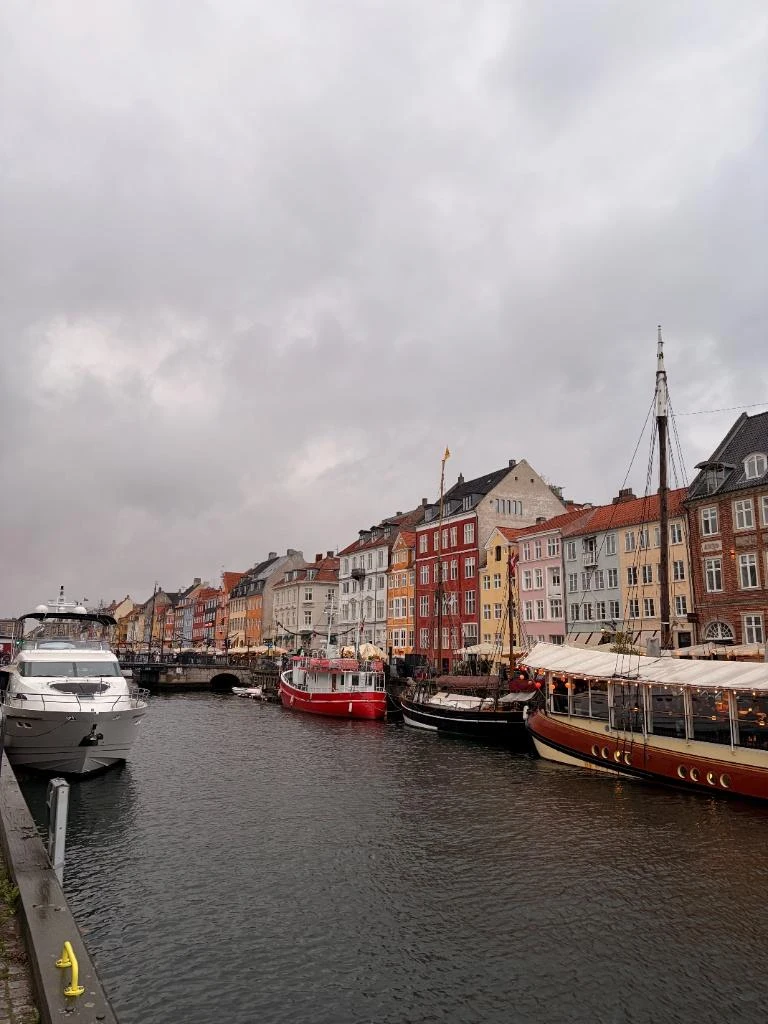
The historic urban waterfront of Nyhavn, Copenhagen — reflecting Denmark's connection between vibrant civic spaces, history, and community life.
When I first set out for Denmark, I was looking forward to experiencing a new country, meeting people from different backgrounds and learning something beyond my usual professional environment. Looking back, I can say that the experience gave me much more than I had expected.
What I found particularly interesting about Danish society was the sense of collective responsibility. I noticed it in everyday things, the way people treated public spaces, their connection with nature, the cycling culture and the consideration they showed towards others. There seemed to be a shared understanding that creating a better society was everyone's responsibility. I found that quite refreshing.
 |  |
|---|---|
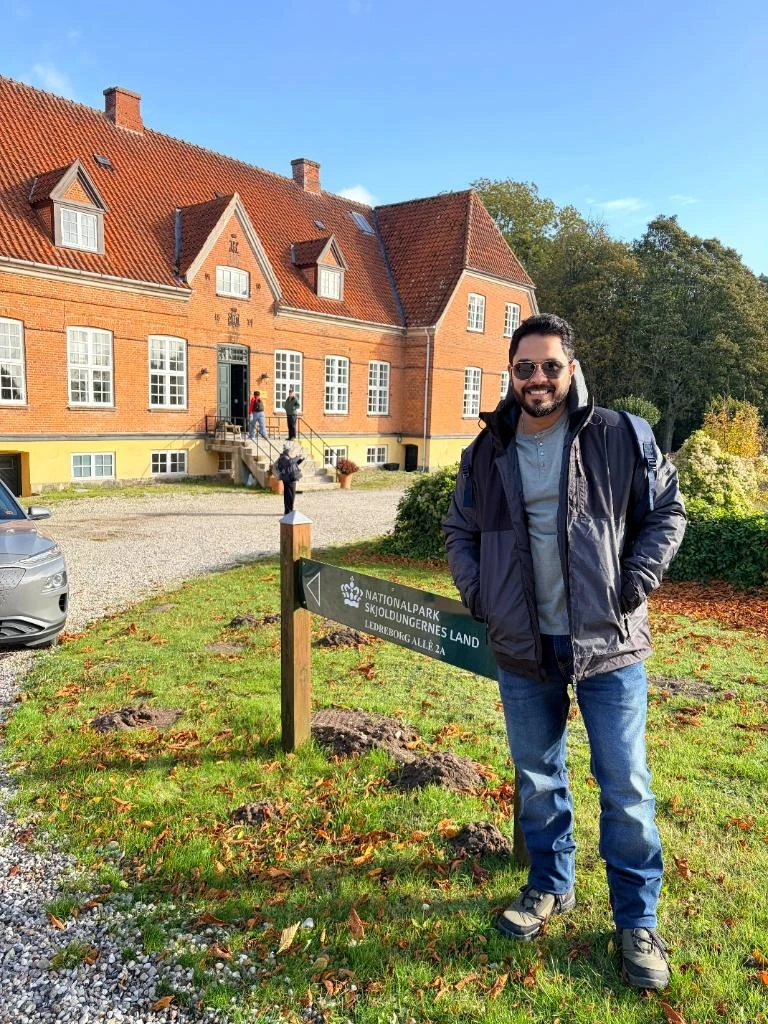
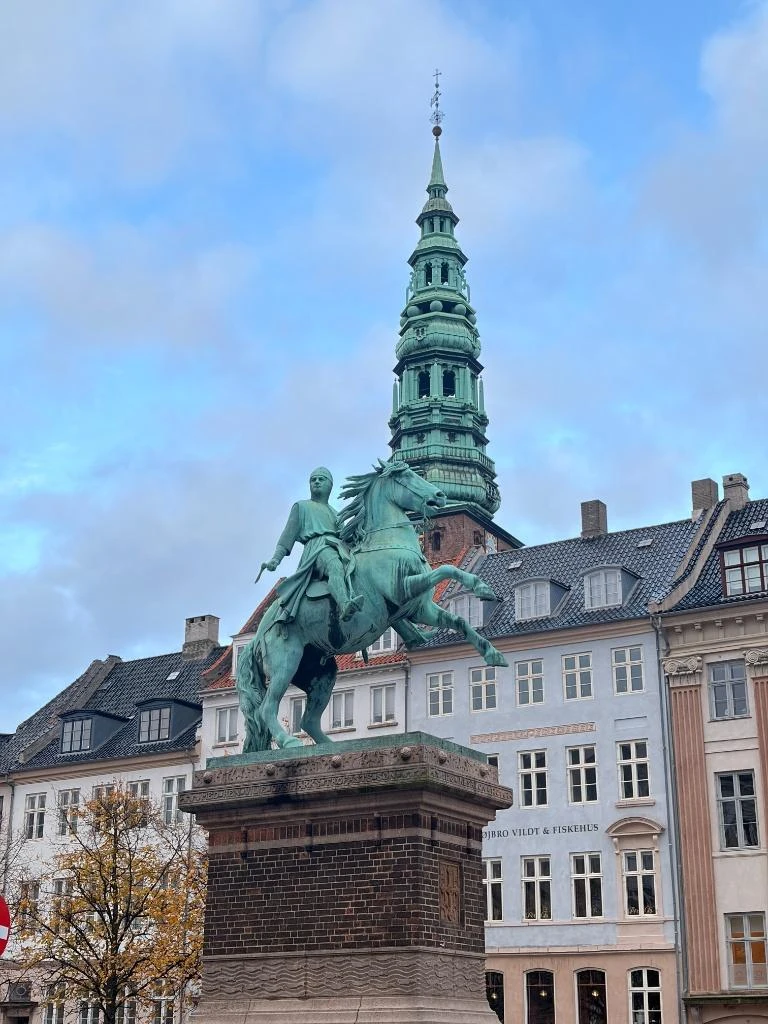
Nationalpark Skjoldungernes Land — encountering preserved historic heritage and environmental stewardship. | Copenhagen's civic centers and historic monuments, where open public space fosters social cohesion. |
Human Rights-Based Approach & The Engagement Ladder
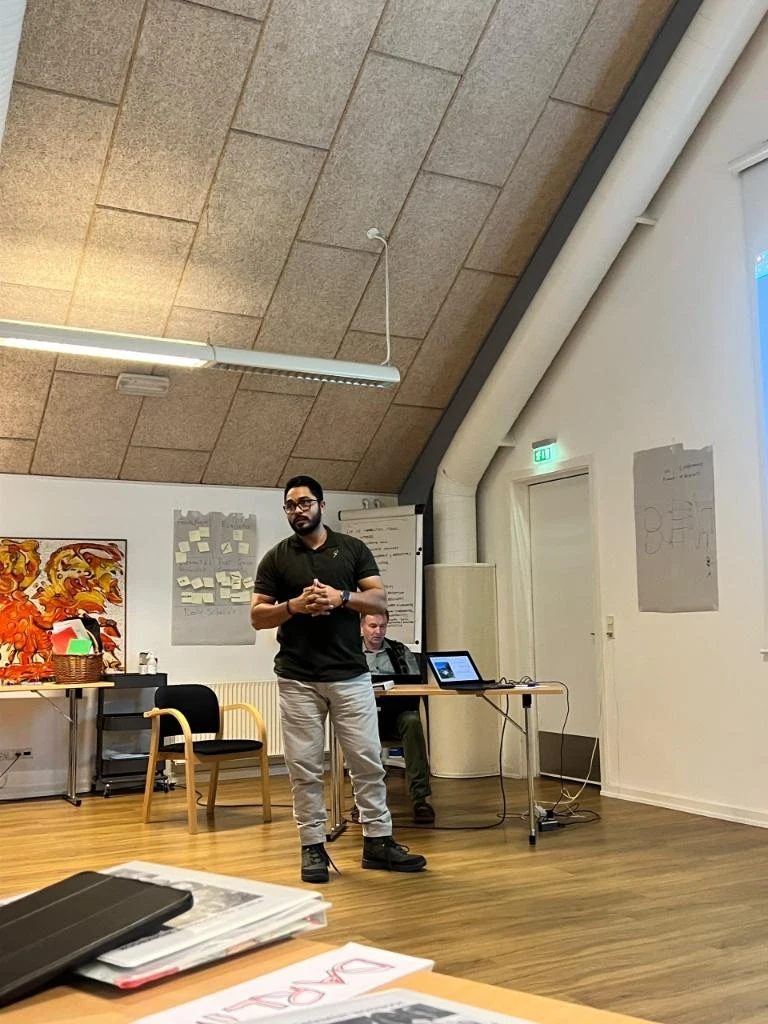
One of the most valuable aspects of the programme was learning about the Human Rights-Based Approach and community engagement. Before this experience, I had not given much thought to the different levels of community participation. The Engagement Ladder was particularly interesting because it helped me understand that simply informing people or inviting them to meetings does not necessarily mean they are involved. Real participation comes from listening, understanding people's concerns and giving them a genuine role in decisions that affect their lives. It is an idea that has stayed with me.
 |  |
|---|---|
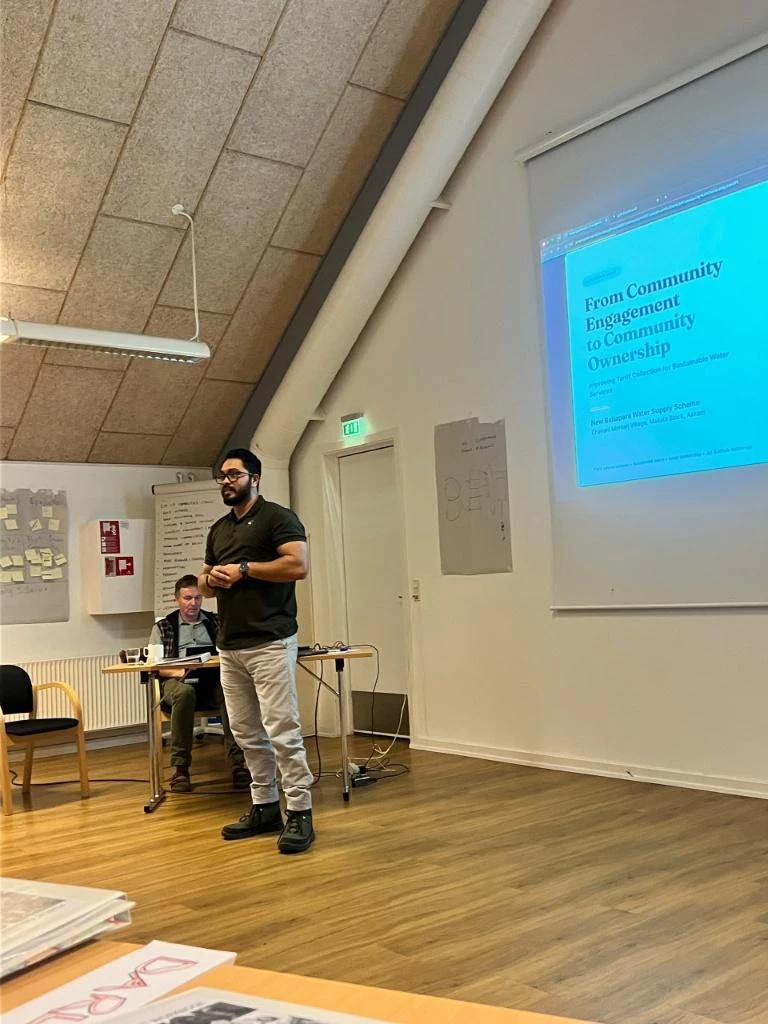
Delivering presentation: "From Community Engagement to Community Ownership: Improving Tariff Collection for Sustainable Water Services." | Interactive deliberation with faculty and international practitioners on participatory implementation models. |
Sustainability, Shared Purpose & Field Discoveries
Our visits around Denmark added another dimension to the learning. I particularly enjoyed visiting Samsø Island and understanding how communities can come together to contribute to sustainable development. The cycling culture, beautiful public spaces and the close connection people have with nature also left a lasting impression on me. These were things I had read about before, but experiencing them first-hand made a difference.
 |  |
|---|---|
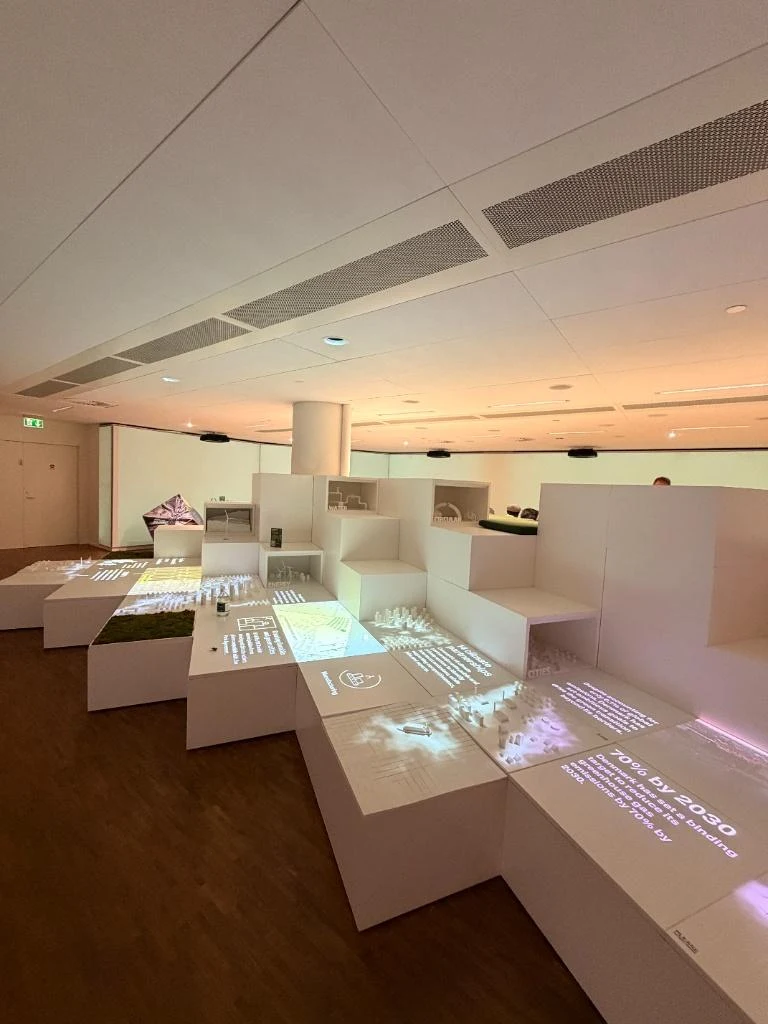
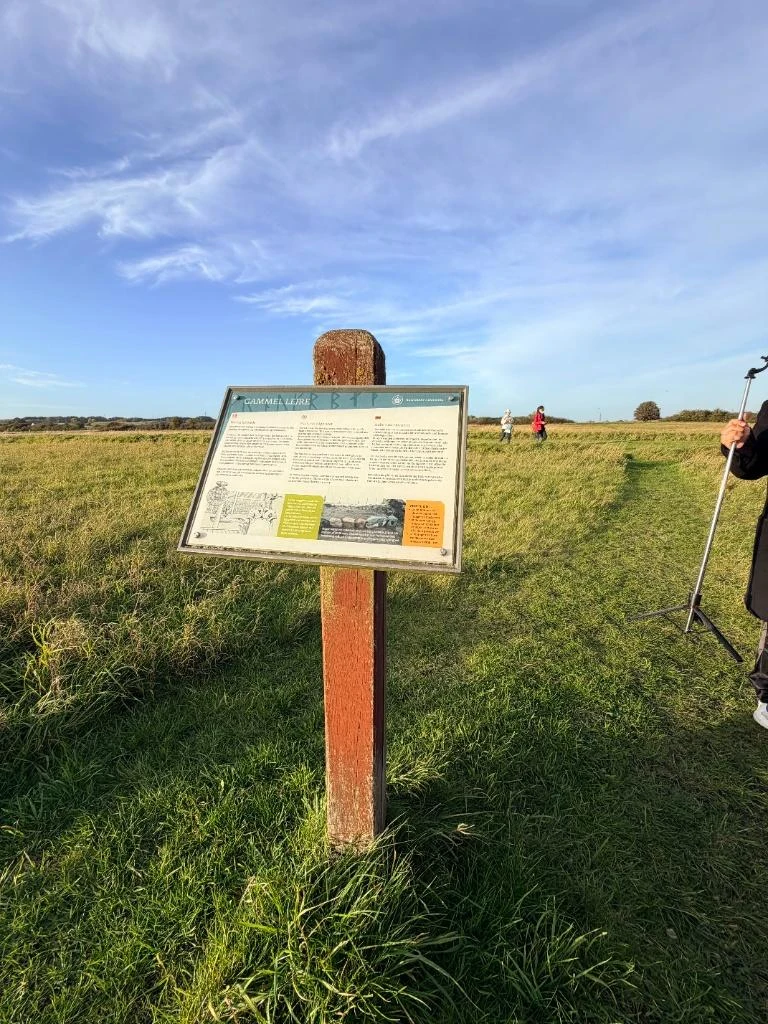
Interactive exhibition highlighting Denmark's binding commitment to reduce greenhouse gas emissions. | Gammel Lejre heritage conservation area — balancing living community agriculture with preserved cultural heritage. |
The people made the journey even more memorable. I genuinely enjoyed the interactions with our instructors, who were knowledgeable, approachable and always open to discussions. The conversations often went beyond the classroom, which made the learning much more engaging. Meeting fellow participants from different countries was equally rewarding. We came from different backgrounds and cultures, but many of the challenges we discussed were surprisingly similar.
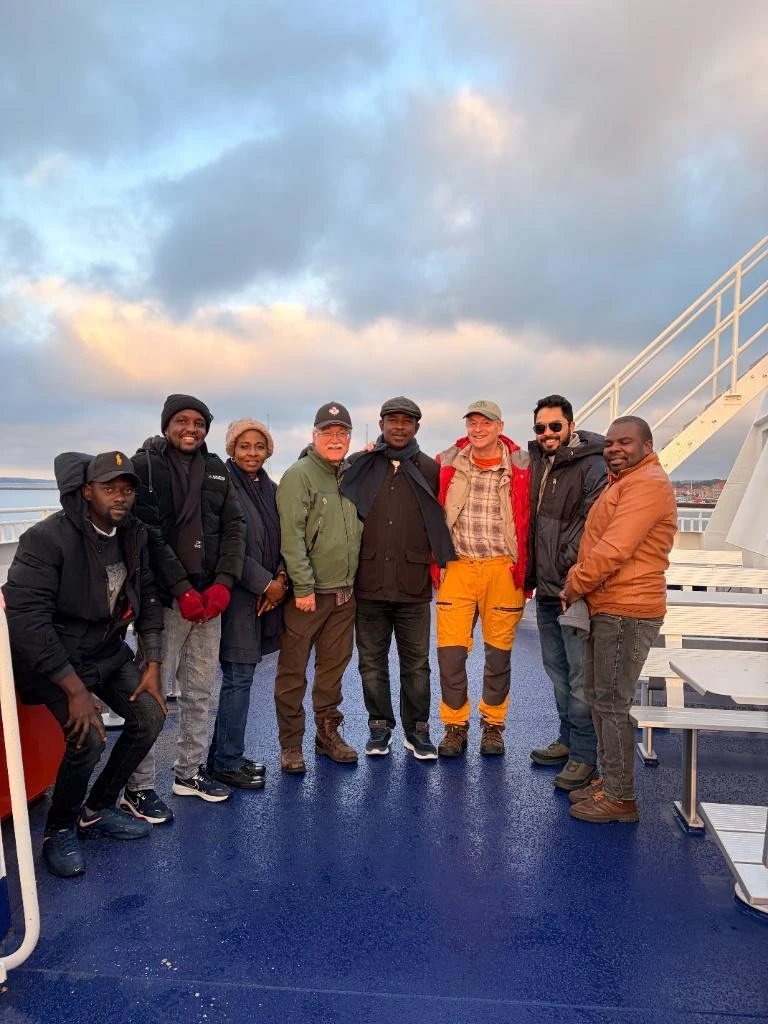
Ferry transit discussions with programme instructors and international peers — learning that bridged classroom theory with shared lived experiences.
Perspectives on Hygge, Balance, and Lasting Lessons
There were also a few things about Danish life that made me pause and reflect. I remember hearing about an 86-year-old bus driver who was still working and enjoying life. I found that story genuinely inspiring. It made me think about how we often associate success with professional positions, financial achievements or retirement at a particular age. Yet here was someone who seemed to find happiness and purpose in simply continuing to do what he enjoyed. The importance given to work-life balance in Denmark also caught my attention. It reinforced my belief that work should be an important part of life, but never the entirety of it. Time for family, friendships, personal interests and simply enjoying life matters just as much.
And then there is Hygge, a beautiful Danish concept that I absolutely loved. It is about finding comfort and happiness in simple moments, whether that means enjoying a warm evening with friends, sharing a meal or having a long conversation without constantly looking at the clock. I think we could all use a little more Hygge in our lives.
The time spent at Sankt Helene was special in its own way. The walks, conversations over meals, laughter and friendships made the stay memorable. Some of my fondest memories are from these ordinary moments rather than the scheduled activities.
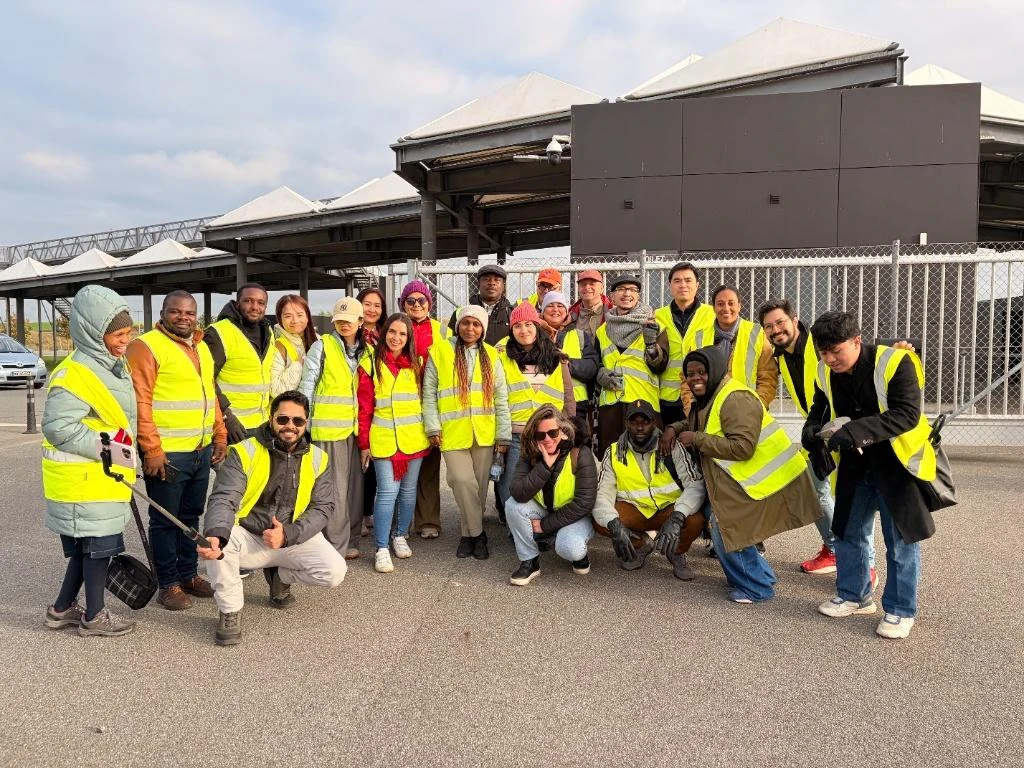
The international participant cohort came together during a field site study visit — cross-cultural bonds and shared commitments to sustainable change.
As I reflect on the experience, I feel the learning has strong practical value. The ideas around community engagement, stakeholder management, and participatory decision-making are particularly relevant to the work we do in different sectors. I would like to see more emphasis on engaging communities from the beginning, listening to different stakeholders, and giving people a meaningful role in shaping initiatives that affect them. Stronger relationships and trust between institutions and communities can make a real difference to the sustainability of development initiatives. I hope to put some of these ideas into practice and share what I learn with colleagues along the way.
If there is one thing I will carry with me from Denmark, it is the importance of people, participation and finding happiness in everyday life. And, of course, a little bit of Hygge!