Engineering feature · English
Learning Beyond Borders: A Journey Through Denmark’s Water Management Practices
An experience of learning, cultural exchange and new perspectives through the Advanced Water Cycle Management Programme, Denmark – August 2026.
A Journey Made Possible
At the outset, we would like to express our sincere gratitude to the Hon’ble Minister, Shri Krishnendu Paul, Managing Director, JJM Assam cum Secretary, PHED, Shri Kailash Karthik N. and our senior officials for their invaluable support in facilitating the necessary Government approvals for our visit to Denmark. This was particularly challenging as foreign travel by State Government employees was prohibited during that period. Their encouragement and timely intervention made this learning opportunity possible.
During August 2026, the Danida Fellowship Centre (DFC), Denmark, hosted two specialised summer courses focusing on water utilities and their management. These were limited seat international programmes, and we were introduced to these opportunities by our Secretary, Sir. Following the selection process, three participants from our Department were selected for the two programmes: Advanced Water Cycle Management and Drinking Water Operations and Management.
For the Advanced Water Cycle Management course (AWCMC), two of us, Marlina Gowalla, AEE (PHE), and Pranab Jyoti Gogoi, AE (PHE), were selected to represent our Department.
The process of obtaining the necessary approvals was particularly intensive, as we had a very limited window of just 15 days before our scheduled departure for Denmark. Despite the time constraints, the necessary formalities were completed, and we finally embarked on what would become an enriching international learning experience.
The Danish Summer: Life in a Small Town
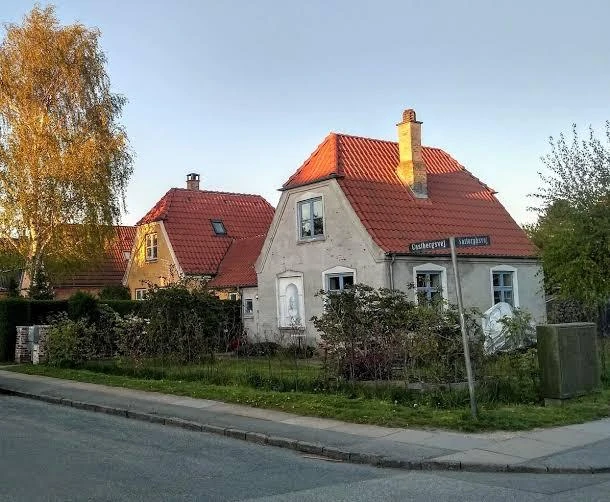
The AWCMC, a 14-day classroom programme commenced on 9 August 2026 and concluded on 22 August 2026. It was conducted in Låsby, a small and picturesque town in Denmark. We were accommodated at Låsby Kro og Hotel, a historic inn dating back to the 1860s, which also served as our classroom venue.
Upon arriving in Låsby, we were greeted by cold and breezy weather, quite unlike what one would typically associate with the summer season. One of the most striking differences was the duration of daylight. During summer, the sun rose at around 5:30 AM and did not set until approximately 9:00 PM, making the days remarkably long.
Our initial observations of Danish society revealed a work culture that appeared strongly oriented towards productivity and work-life balance. Saturdays and Sundays were generally holidays, and employees enjoyed considerable flexibility in managing their working hours, often leaving the office once their work was completed.
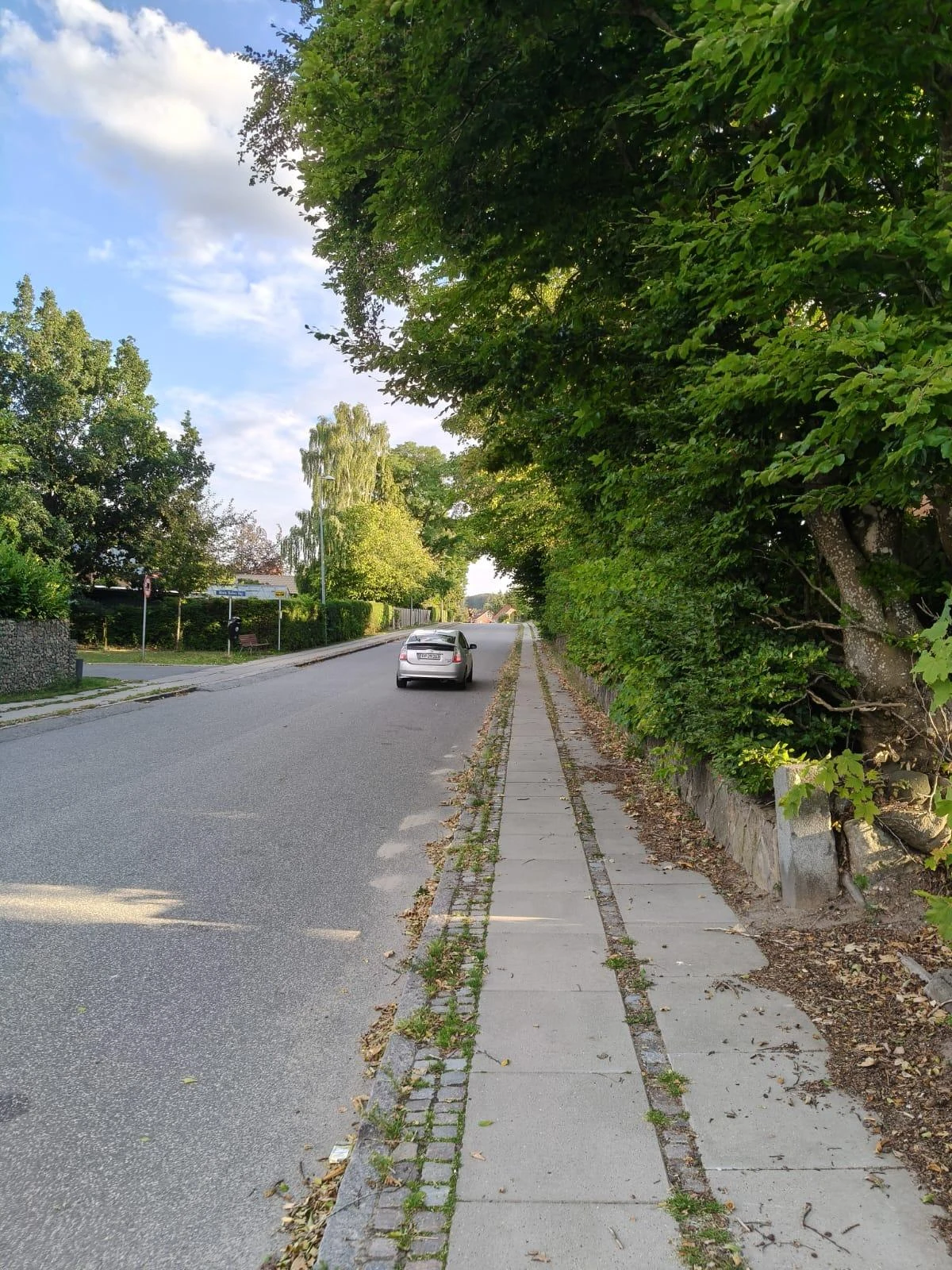
We frequently noticed people jogging in parks and along pathways, even during the afternoon. Cycling appeared to be an integral part of everyday life, supported by dedicated cycling tracks throughout the town. Interestingly, bicycles could also be carried on buses and trains, with designated compartments available for them on trains.
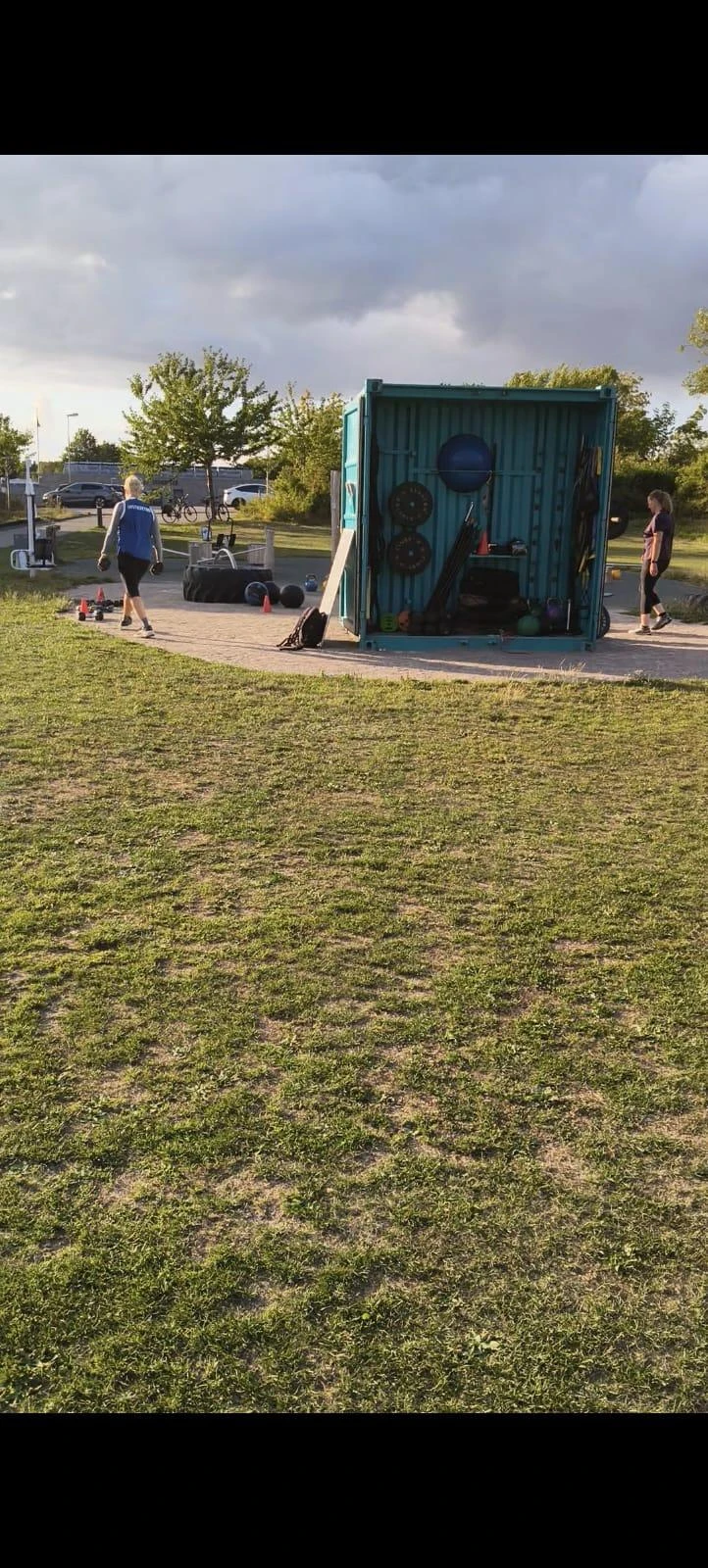
Weekends were largely devoted to outdoor activities. It was common to see cars carrying trailers loaded with camping equipment, boats or bicycles. In Låsby, the evenings brought the community outdoors, with residents gathering in parks to play football, exercise in outdoor gyms, swim and cycle.
Despite being a small town with just one convenience store, it appeared to have everything its residents needed. Even the meals provided at the hotel reflected a balanced approach to food and nutrition. Overall, we observed a community that placed considerable importance on an active, healthy and outdoor oriented lifestyle.
Infrastructure That Works With Nature
Another aspect that caught our attention was the way infrastructure was planned and integrated with the natural environment. Buildings and complexes were equipped with rainwater collection arrangements, while stormwater was channelled through dedicated drainage networks and ultimately discharged into ponds.
We also learned that ponds and recreational spaces were important components of local town planning. Their presence served not only environmental and recreational purposes but also contributed to the overall management of public spaces and community activities.
It was evident that infrastructure development in Denmark was not viewed merely as the construction of individual buildings or facilities. Instead, it was approached as an integrated system in which drainage, water management, recreation and the surrounding environment complemented one another.
The Tap Water Experience: A Lesson in Public Confidence
One of our earliest and most memorable experiences came during the introductory session of the programme. Each participant was provided with a reusable water bottle and instructed to refill it from any available tap within the premises. There were no water purifiers or filtration units placed around the premises. The message was simple: drink directly from the tap.
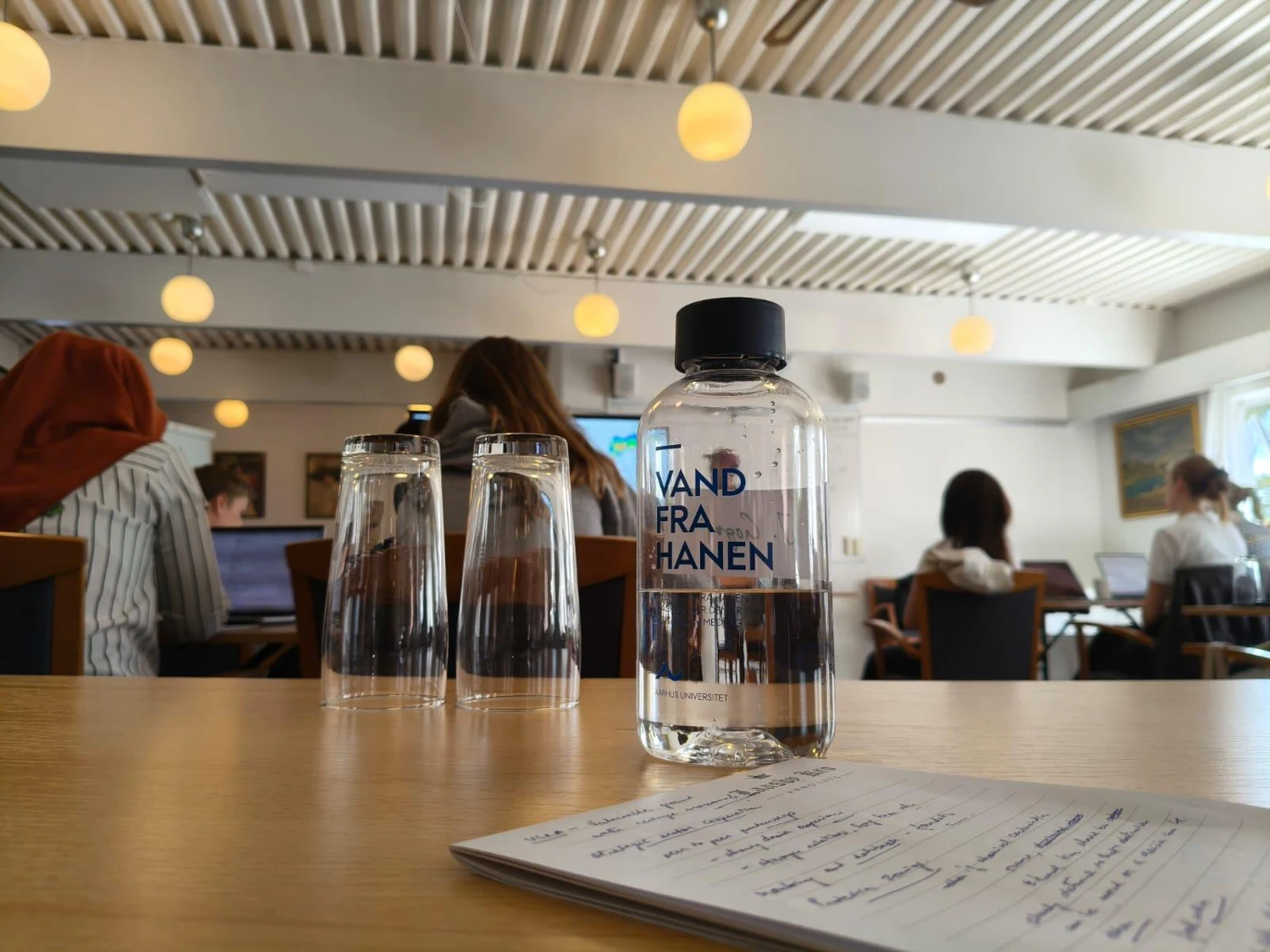
Initially, we were hesitant. Even in our hotel rooms, the only readily available source of drinking water was the bathroom tap. However, after trying it, we found that the water had no unusual smell or taste and was comparable to bottled water.
Like many first time visitors, we had initially considered purchasing bottled water from the convenience store. However, a 500 ml bottle cost around 15 Danish Krone (DKK), which was comparable to the price of a litre of petrol or diesel. We soon became accustomed to drinking tap water.
This seemingly small experience offered us a much larger lesson: the quality of drinking water is not just about treatment infrastructure, it is also about the reliability of the system and the confidence it inspires among consumers.
An Unconventional Classroom Experience
Our classes generally began at 8:00 AM and continued until around 9:00 PM, including approximately two hours of sessions after dinner. Dinner was served at 6:30 PM. Despite the demanding schedule, the learning environment remained engaging and comfortable.
There were very few conventional classroom restrictions. Participants were free to sit or stand, enjoy snacks or have coffee while listening to the lectures. The atmosphere encouraged open discussions, interaction and the exchange of ideas rather than passive classroom learning.
The programme was also complemented by field visits, practical activities and group discussions, allowing us to connect theoretical concepts with actual utility practices.
Groundwater: Protecting the Source Before Treating the Water
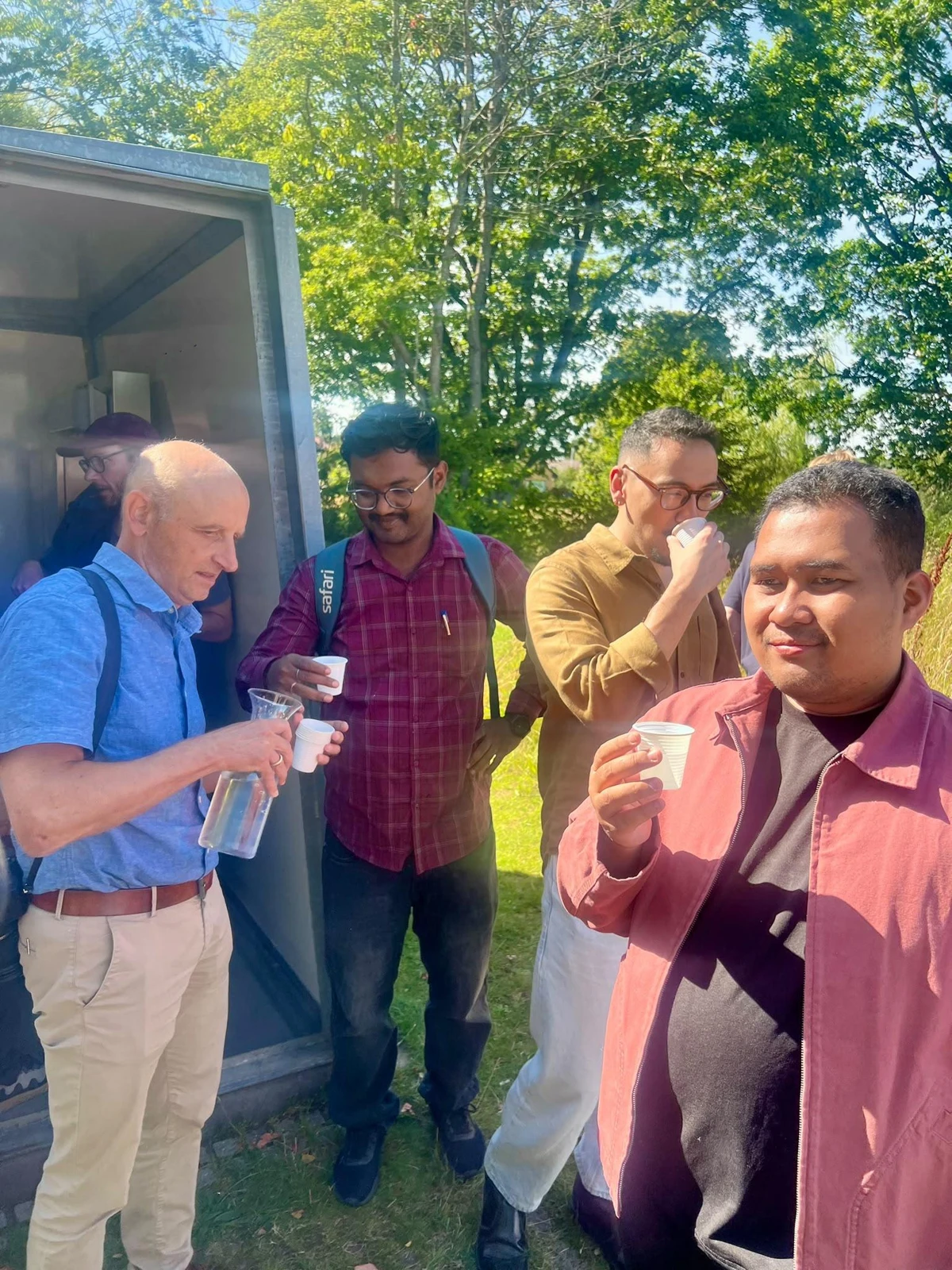
One of our most memorable field visits was to a drinking water treatment facility in Aarhus. Before beginning the technical tour, we were offered a glass of raw groundwater drawn directly from a deep tube well.
We were initially reluctant to drink untreated water. However, the instructors demonstrated by drinking it themselves, encouraging us to do the same. Upon tasting it, we noticed only a slight iron taste. The water was clear and had no significant unpleasant odour.
This demonstration was intended to reinforce one of the fundamental principles taught during our theoretical sessions: Denmark places extraordinary emphasis on selecting and protecting its drinking water sources.
Groundwater is the principal source of drinking water across Denmark. Considerable attention is given to understanding the aquifers, their recharge mechanisms and the potential pathways through which contaminants may enter them. Authorities investigate whether industrial activities, waste disposal sites or other sources of pollution could affect an aquifer and, if so, how long contaminants might take to reach the abstraction point.
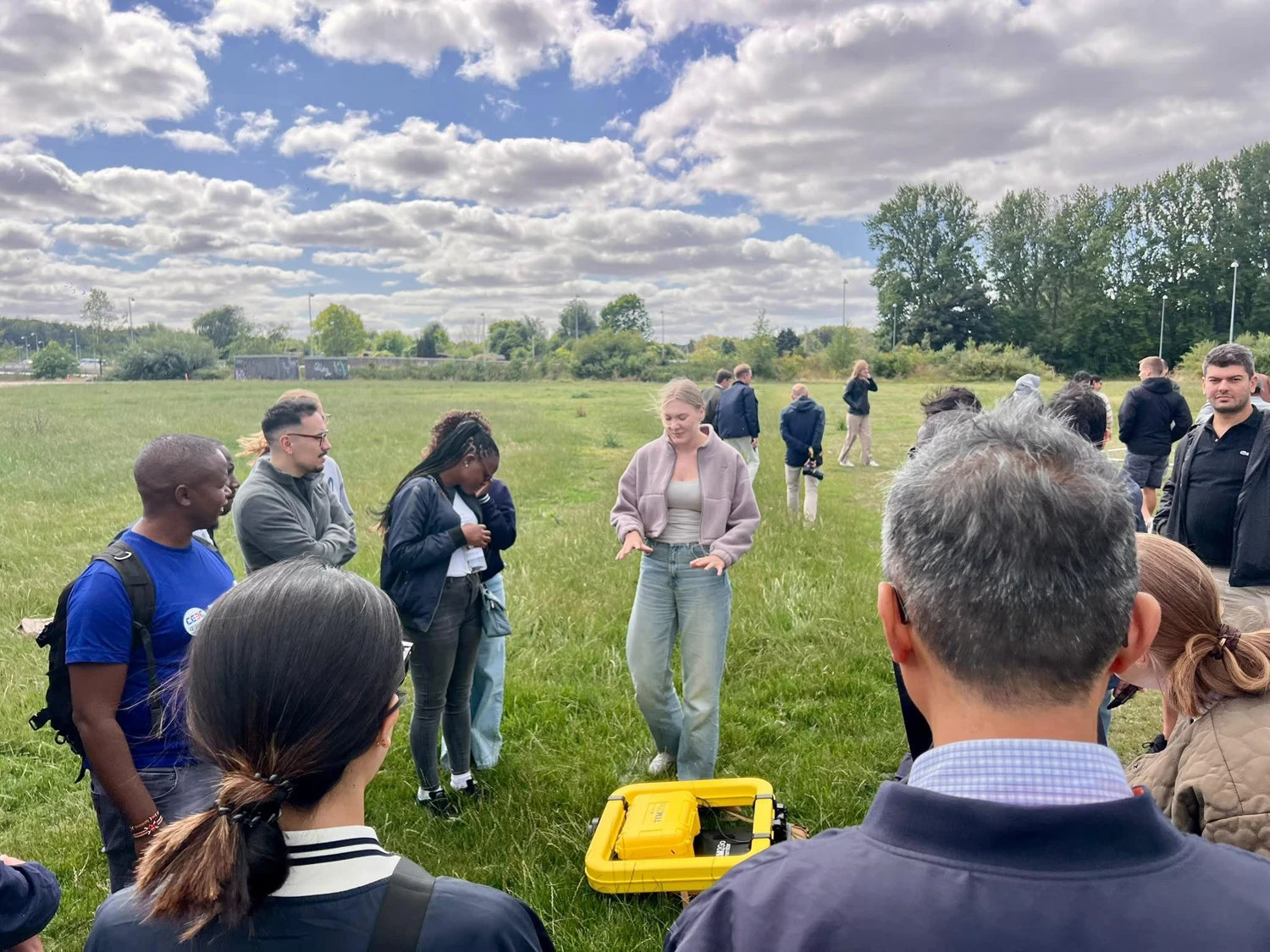
Interestingly, groundwater exploration does not rely solely on conventional borehole data. Geophysical investigations, Electrical Resistivity Tomography (ERT), Transient Electromagnetic (TEM) surveys and other available datasets are also considered to develop a comprehensive understanding of the subsurface.
Denmark has developed several open data platforms that facilitate this process. JUPITER provides extensive borehole information, including locations, lithology, groundwater levels and water chemistry. Other platforms, such as Aarhus Workbench and GERDA, provide access to geophysical and related subsurface datasets.
The availability and integration of these datasets, including through APIs, facilitate the development of detailed groundwater models. This enables decision makers to understand aquifers more comprehensively and make informed decisions before extracting water.
The key lesson was clear: sustainable drinking water management begins long before water reaches a treatment plant. It begins with understanding, selecting and protecting the source.
Drinking Water Without Chemical Disinfection
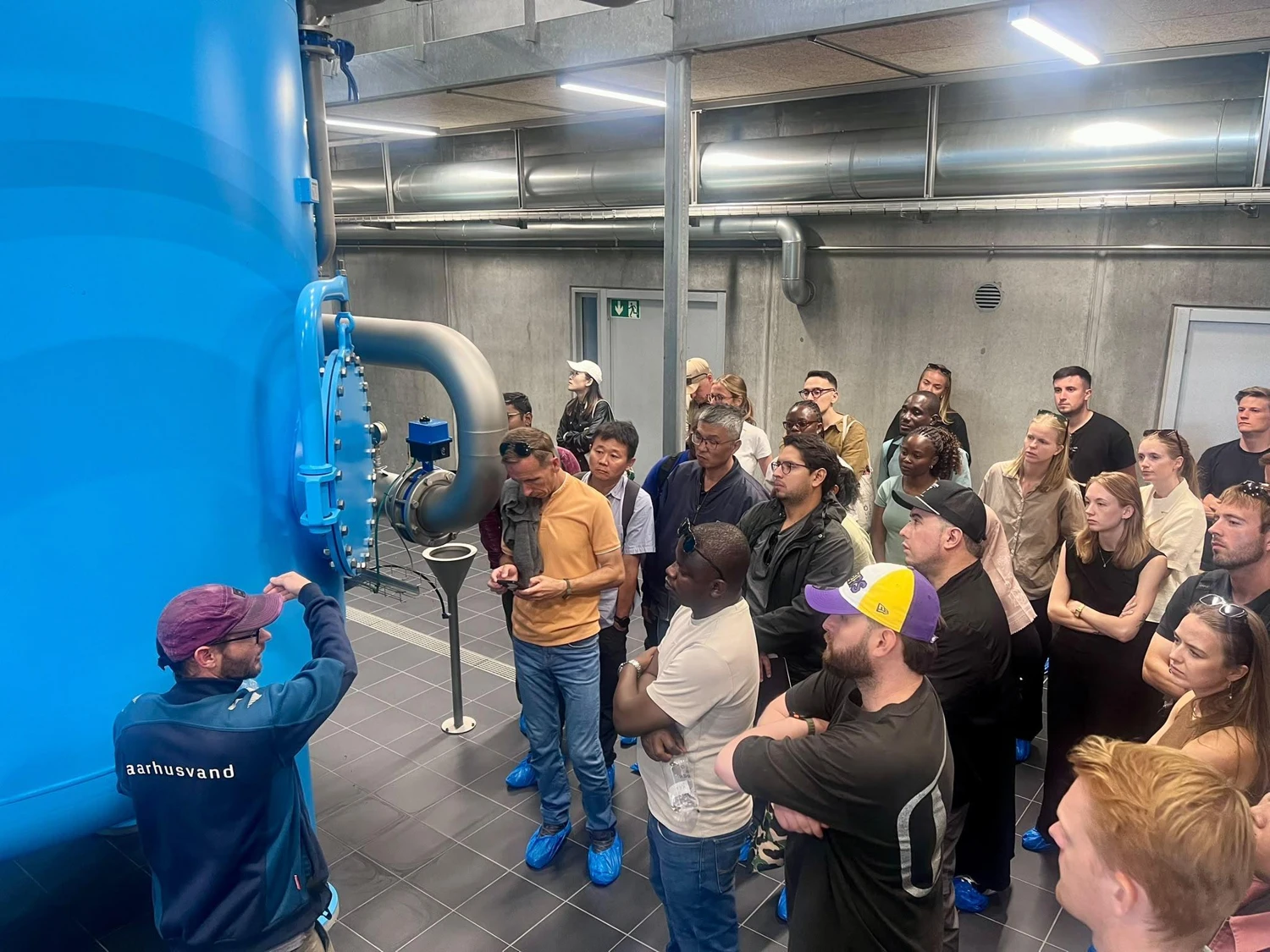
Perhaps one of the most surprising aspects of Denmark's drinking water management system was its approach to treatment. Chemical disinfection is generally not practised in the conventional drinking water supply system, with treatment relying primarily on physical processes such as aeration and sand filtration.
Naturally, this raised an important question for us: how is microbial growth prevented while water travels through the distribution network before reaching consumers?
The explanation focused on maintaining hygienic conditions throughout the system. Groundwater abstraction facilities are enclosed in protected chambers, while treatment plants are housed within controlled environments. HVAC systems are used to maintain low temperatures, reportedly below 12°C in the facilities we visited, helping minimise conditions favourable to microbial growth.
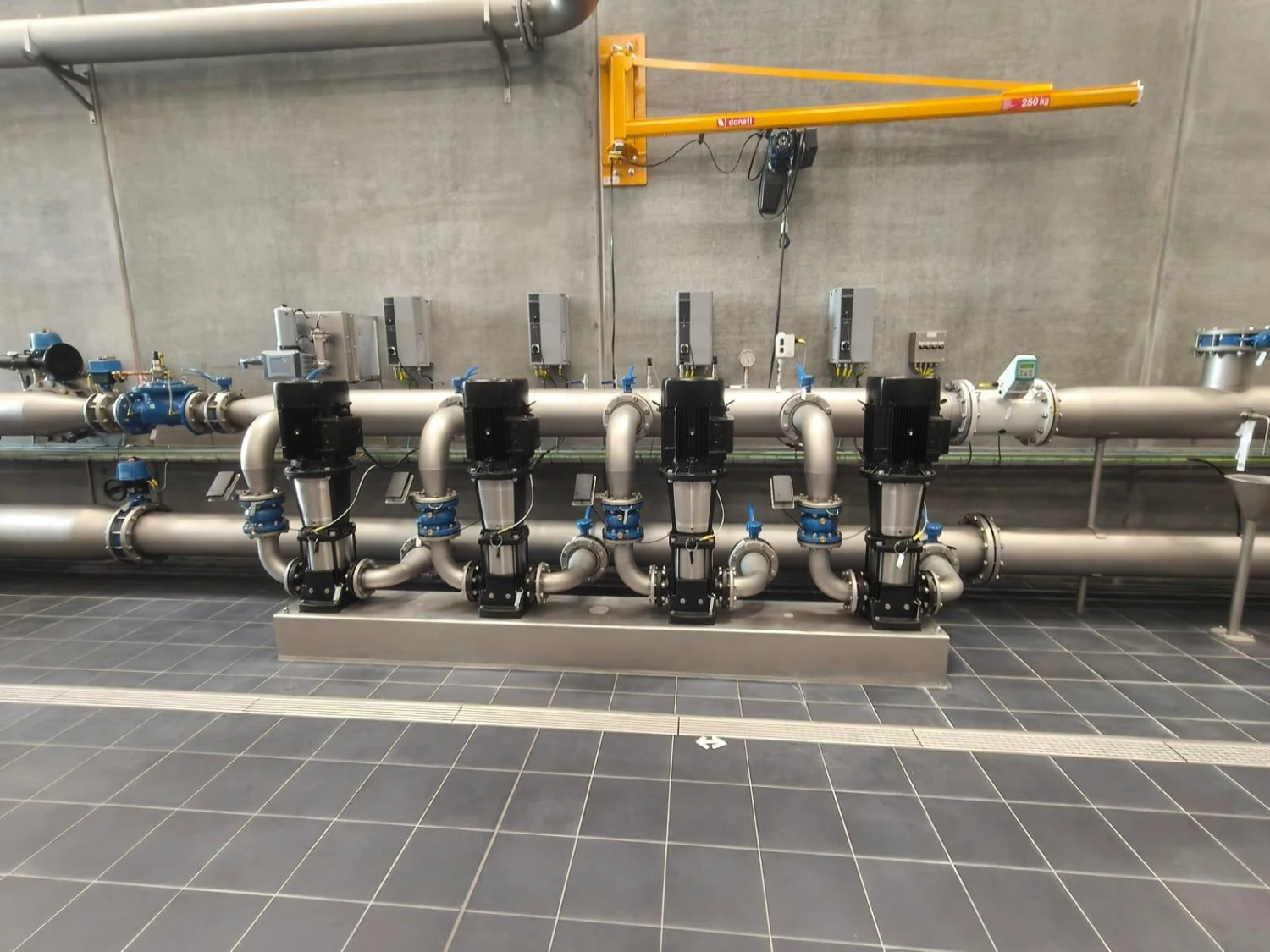
Following treatment, water is pumped directly into the distribution network. Variable Frequency Drives (VFDs) regulate pump operation and adjust discharge according to changing demand patterns.
Another interesting observation was the limited reliance on Elevated Service Reservoirs (ESRs). Storage is provided where operational requirements, including possible power interruptions, necessitate it. However, the emphasis is on maintaining continuous circulation and avoiding unnecessary stagnation of water in the system.
Denmark's substantial renewable energy capacity, particularly from wind and solar power, also supports its energy intensive water utility operations.
The Three Learning Tracks: Groundwater, Distribution and Wastewater
The programme was divided into three specialised tracks: Groundwater, Water Distribution and Wastewater. Each provided a different perspective on the challenges and responsibilities involved in managing the entire water cycle.
1. Groundwater: A Resource That Demands Careful Management
The groundwater track helped us understand how difficult it can be to identify and secure a reliable drinking water source. Even where artificial recharge measures are undertaken, replenishing an existing aquifer can take several years and, in certain geological conditions, even more than a century.
This highlighted the importance of managing every unit of water extracted from an aquifer efficiently. Source sustainability cannot be achieved through recharge measures alone, responsible abstraction and long-term resource planning are equally important.
2. Water Distribution: Managing Every Drop
One of the most important lessons from the distribution track was that no water distribution network can remain completely leak-free. Variations in pressure, ageing infrastructure and operational stresses make leakage and occasional pipeline bursts inevitable.
The objective, therefore, is not simply to eliminate leakage but to minimise water losses through systematic monitoring and timely intervention.
Denmark's overall Non-Revenue Water (NRW) level was reported to be approximately 8% during the programme, with utilities continuing their efforts to bring it below 5%.
To achieve this, utilities undertake regular pipeline monitoring, pressure management, rehabilitation of ageing infrastructure, active leak detection and prompt repairs.
A particularly interesting application is the use of SCADA systems to identify abnormal changes in demand patterns. When an unexpected variation is detected, the system alerts utility operators, indicating a possible leakage or other abnormality.
However, identifying the existence of a leak is only the beginning. Locating the exact point of leakage can be the most time consuming part of the process.
For this purpose, Danish utilities employ different techniques, including acoustic detection, tracer gas methods and other specialised leak detection technologies. Once identified, leaks are repaired with considerable emphasis on both speed and quality.
We also learned that water supply services in Denmark are largely operated by publicly owned, non-profit utilities, even though many are structured as corporations. Their primary objective is reliable service delivery rather than profit generation.
This approach reinforced the importance of continuous monitoring, preventive maintenance and institutional commitment in reducing NRW.
3. Wastewater: Keeping Systems Separate
The wastewater track introduced us to Denmark's approach to sewage and stormwater management. One of the fundamental principles is maintaining separate networks for sewage and stormwater.
Sewage undergoes various stages of treatment before the treated effluent is discharged into nearby water bodies. Such treated wastewater is managed separately from drinking water sources and is not considered drinking water.
The approach demonstrated the importance of integrated urban drainage planning, efficient wastewater treatment and protecting natural water bodies from contamination.
Beyond Technical Learning: A Global Exchange of Ideas
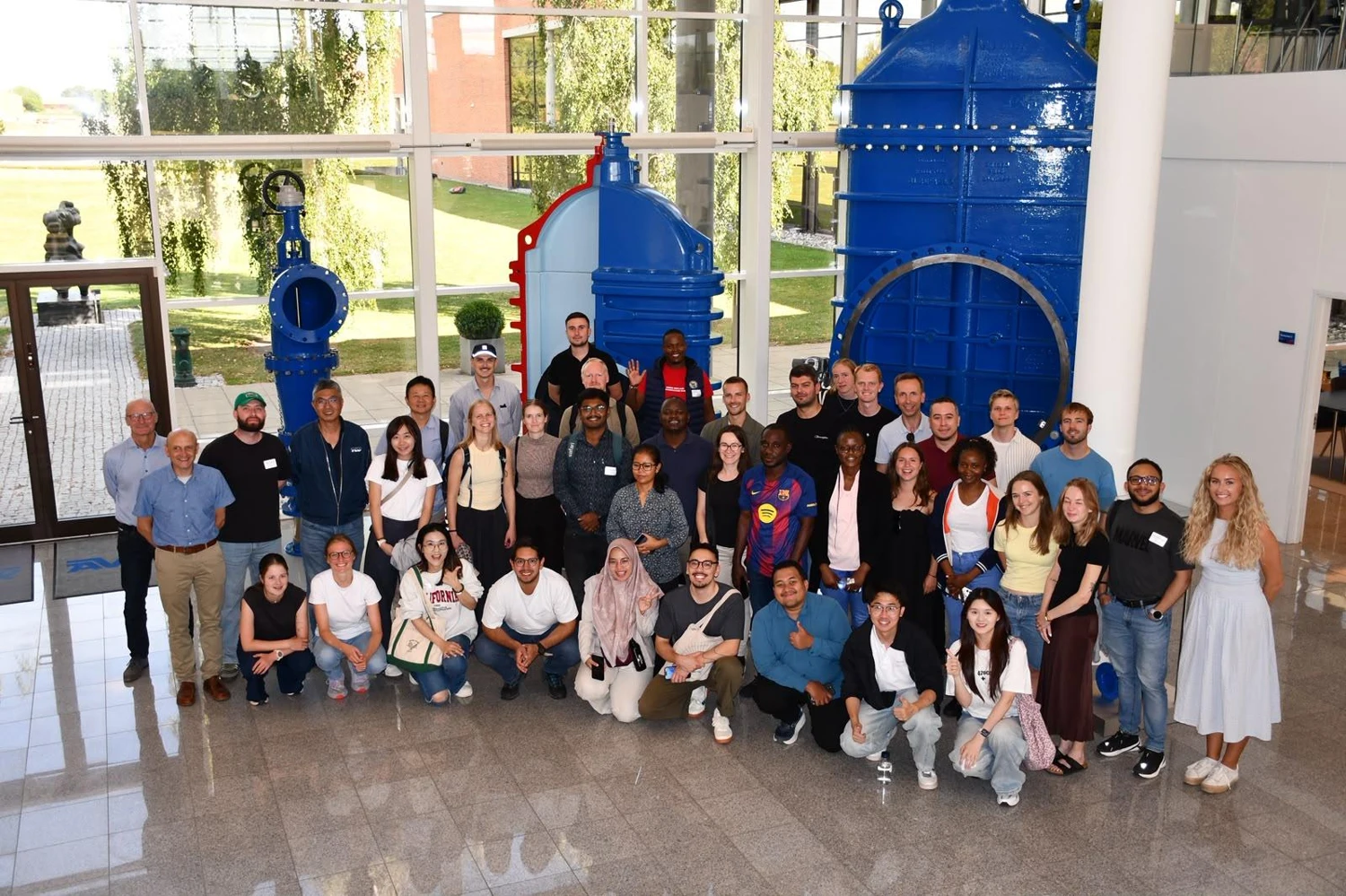
And just like that, the 14-day programme came to an end.
During our stay, we had the opportunity to interact with participants from 14 different nationalities. The programme enrolled approximately 40 participants, with a mix of students and working professionals. What made the experience particularly enriching was the diversity of professional backgrounds. We shared the classroom with civil engineers, microbiologists, chemical engineers, nature enthusiasts, foreign affairs professionals, utility managers and consultants.
The course was never limited to technical lectures or engineering practices. It became a platform for exchanging ideas, experiences and perspectives from different parts of the world. Beyond water management, we learned about one another's cultures, music, languages, societies and ways of life.
There were also lighter moments that made the experience memorable. We still joke about the two days when both lunch and dinner consisted entirely of sandwiches!
Looking back, the programme was much more than a foreign training opportunity. It allowed us to understand how a country approaches water management through a combination of scientific research, technological advancement, institutional discipline, environmental responsibility and public participation.
We returned with valuable technical knowledge, new professional connections and, most importantly, a broader perspective on the challenges and possibilities within the water sector.
Bringing the Learning Home
Our experience in Denmark made us realise that while geographical conditions, financial resources and institutional frameworks may differ, many of the underlying principles of sustainable water management are universal.
The emphasis on protecting groundwater sources, monitoring distribution networks, reducing NRW, adopting smart technologies and integrating water infrastructure with the natural environment offers valuable lessons for us.
However, learning from another country should not mean simply replicating its practices. It should mean understanding the principles behind those practices and adapting them to our own local conditions.
Assam has its own achievements, experiences and innovations in the water sector. We believe that, with continued efforts towards research, technological adoption and knowledge sharing, we can develop practices and solutions that are equally valuable to others.
We are sincerely grateful to the Government of Assam, PHED leadership, our senior officials and the Danida Fellowship Centre for making this experience possible.
We hope to share the knowledge gained with our colleagues and contribute towards improving water management practices in our State. And perhaps, one day, we may also be able to host international learning programmes of our own, inviting the world to witness, experience and learn from the achievements and innovations of Assam.
Because the true value of learning beyond borders lies not merely in what we bring back, but in what we build with it when we return home.